So, I cooked some celery in my IP. Just plain, cooked on low pressure for 2 minutes with QR. I didn't put anything on it, and it was SO good! It tasted just like chow mein from a Chinese restaurant!
So, I cooked some celery in my IP. Just plain, cooked on low pressure for 2 minutes with QR. I didn't put anything on it, and it was SO good! It tasted just like chow mein from a Chinese restaurant!
Zucchini Fries
Directions
A work in progress. Flavor was good but it needed more cooking time.
Need to figure out how to make with pure monk fruit powder or drops.
Use this guide to shift your diet away from high sugar and starchy foods to more fresh, whole foods. As best as you can please stick with organic, local, non-chemically sprayed foods that are not genetically modified. This diet is based on the 00-2-3 rule. You should eat zero sugars, zero amylose and two servings of protein totaling at least 6-8 ounces daily and at least 3 servings daily of vegetables that grow above the ground including fruit (except bananas).
Are Mycotoxins In Spices Harmful For People With CIRS?

There’s been a lot of talk lately about the dangers of mycotoxins. Sadly, mycotoxins are often found in dried spices. It seems these toxic substances are not only invisible, but they are common in tasty favorites like wine, nuts, and dried herbs & spices. Ingesting large amounts of mycotoxins can cause severe illness, and in some cases death, so it is especially important to avoid them while healing from mold exposure/CIRS.
Reducing the quantity of food items that burden the body -causing inflammation and immune responses- will free up energy that can in turn be used to promote healing.
An easy place to start reducing mycotoxins is in your kitchen – specifically the place where all the dried spices are stored.
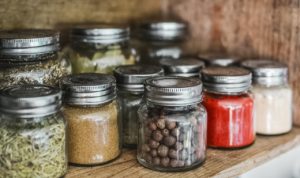
Do you own a spice graveyard? You know, the little jars, tins, and bags of spices & seasonings hibernating in a cabinet or drawer until a recipe calls for them? Perhaps there’s a collection above you stove that looks a bit grimy from all that splatters?
How long have you had this collection?…
Consider the items that don’t really have a noticeable aroma anymore and just look like a dry winter’s day? (or maybe look a little dusty like the fine powder in your vacuum cleaner?  Are you guilty of thinking “They’re probably fine. I’ll buy some next time at the store, just using a pinch for tonight’s dinner…“
A little food for thought~
When researching the longevity and toxicity of dried herbs & spices that we conveniently purchase at the supermarket, I discovered a common theme. Household spice brands (that fund the research?) claim that “Spices never expire” …a great marketing strategy- keep the company name in the customer’s line of sight .. forever. lol
Perhaps a more accurate description would be: “spices kept in ideal storage will probably not turn rancid and make you sick even after several years on the shelf” … somehow, this does not sound very appetizing!
Six reasons to switch to fresh herbs & spices right now:
For now, it’s best to avoid all the “extras’ ‘ that may come with “shelf stable” items. At least until you are fully healed from mold exposure~ consume only fresh, not wilty, not moldy, chemical-free foods.
Personally, I prefer the aroma and flavor of fresh seasonings. When you reach for herbs & spices, your senses should send good messages to your brain like: “mmmm! This scent is so fresh and savory!” … not “well, it doesn’t smell like much… but I guess it doesn’t smell rancid ”. Which would you rather taste on your food? Do your body and your tastebuds a favor – put aside the old dusty containers… try a few fresh herbs!
My foodie self aside, when healing from CIRS, it is best to avoid dried herbs & spices as much as possible. Often the contents of these jars & tins purchased from the supermarket came from places very far away. Typically transported from other countries where they grow well, cost less to produce, and regulations are less restrictive. These luscious growing territories are often humid, and the spices need to be stored until the grocery store shelves run low. This is an ideal environment for mycotoxins found in spices to thrive. Even though the container of spice may not “smell or look bad”, tests from all around the world show mycotoxins are common.
These additional toxins will further burden your immune system, so please avoid them whenever you can and use fresh, unmoldy herbs and spices like the ones listed below.
Curiously, one dried spice – ceylon cinnamon (not cassia cinnamon) – repeatedly showed low or undetectable levels of mycotoxins in testing. Yay! Something delicious, healthy, and potentially free of toxins in my dried spice collection! I love buying mine at our local spice shop (and other items too!), as they take great care in packaging, storing, and rotating fresh stock. Most large grocery stores do not have the payroll or vendor support to take on tasks like this. And supporting local shops where the owner takes pride in a quality product is always good.
Recovering from mold illness will take every bit of energy your immune system has to offer; don’t give it something additional to battle right now.

Asparagus makes a wonderful soup that’s good for the gut with its high
levels of resistant starch, often lacking in the modern diet,
especially when made with gut-healing bone broth.
15 mins
50 mins
4 - 5
No amylose, Paleo, AIP, Vegetarian, Gluten free, Vegan and Low histamine when made with homemade vegetable stock, and Dairy free.
2 bunches asparagus
5 stalks celery
1 large onion
1 clove garlic, crushed
3 cups broth, vegetable or bone
¼ cup minced fresh thyme, prepared in blender or mortar and pestle
3 Tbsp ghee or coconut oil
Himalayan Sea Salt to taste
2 Tbsp coconut cream per serving bowl, opt.
Wash asparagus and celery; pat dry before chopping into 1 cm (1/2") pieces
Peel and dice onion
In a large pot, heat ghee or oil over medium heat before adding the onion and garlic. Cook for at least 5 mins until caramelised
Add celery and asparagus and cook for 5 mins more
Sprinkle with salt; add thyme and combine well
Add stock and bring to the boil
Reduce heat and simmer for 30 mins
Transfer to a blender or use a stick blender and blitz until creamy
Add coconut cream, if desired, for a creamier texture
Adapted from Pritikin Cooking Center
https://gutsybynutrition.com.au/gutsy-by-nutrition-recipes/2019/1/7/creamy-asparagus-soup
